 By Kalix Poul
Creating a comfortable, functional, and safe home is one of life’s greatest priorities. Whether you are a homeowner or renting, knowing how to maintain and improve your living space can save money, reduce stress, and make daily life more enjoyable. This home guide covers essential areas of home management, offering practical advice that is easy to follow and apply.
Understanding the Foundation of a Home
Before diving into décor or upgrades, it is important to understand the structural and functional basics of your home. A well-maintained foundation ensures long-term stability and safety.
Key Structural Checks
-
Walls and Ceilings: Inspect for cracks, water stains, or bulges that could indicate leaks or structural weakness.
-
Roofing: Ensure tiles, slates, or shingles are intact and gutters are cleared regularly.
-
Floors: Look for unevenness, which may point to subsidence or moisture issues.
By scheduling annual checks, you can prevent small issues from becoming costly repairs.
Essential Home Maintenance
Routine maintenance is the backbone of a safe and efficient household. Staying on top of tasks keeps your home in excellent condition.
Plumbing Care
-
Regularly check under sinks for leaks.
-
Flush drains with hot water and baking soda to prevent clogs.
-
Insulate exposed pipes during winter to avoid freezing.
Electrical Safety
-
Test smoke alarms and carbon monoxide detectors monthly.
-
Never overload sockets or extension leads.
-
Hire a qualified electrician for wiring inspections every 5–10 years.
Heating and Ventilation
-
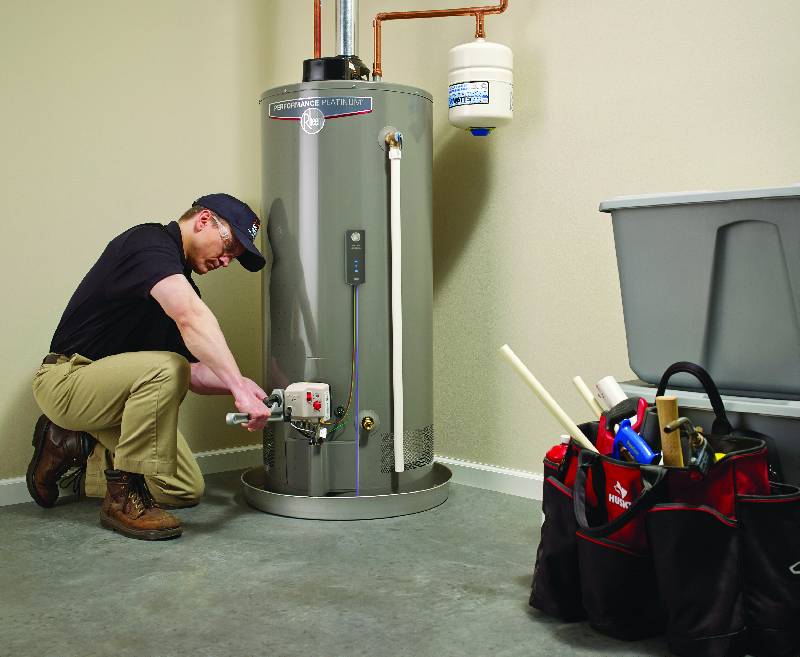
Service boilers annually for efficiency and safety.
-
Bleed radiators to release trapped air.
-
Clean extractor fans in kitchens and bathrooms to prevent mould build-up.
Creating a Comfortable Living Space
Beyond functionality, your home should reflect your personality and lifestyle. Small improvements can transform your living environment.
Interior Design Basics
-
Natural Light: Use light curtains or blinds to maximise sunlight.
-
Colour Schemes: Neutral tones create a calming atmosphere, while bold accents add character.
-
Furniture Placement: Avoid overcrowding rooms; focus on balance and flow.
Storage Solutions
-
Use vertical shelving to save space.
-
Invest in multi-functional furniture such as ottomans with storage.
-
Rotate seasonal items to keep clutter under control.
Sustainable Home Practices
An eco-friendly home benefits the environment and reduces household bills. Simple adjustments can make a significant difference.
Energy Efficiency
-
Switch to LED bulbs to cut energy usage.
-
Seal draughts around windows and doors.
-
Use programmable thermostats to manage heating schedules.
Water Conservation
-
Fit aerated taps and low-flow showerheads.
-
Collect rainwater for garden use.
-
Fix dripping taps promptly to save litres of water each day.
Home Security Measures
A secure home provides peace of mind. Combining physical security with smart technology enhances protection.
Practical Security Tips
-
Fit sturdy locks on doors and windows.
-
Install motion-sensor lighting outdoors.
-
Keep valuables out of sight from windows.
Smart Security Options
-
Video doorbells allow you to monitor visitors remotely.
-
Smart locks provide controlled access for family or guests.
-
Alarm systems with mobile alerts ensure you are informed immediately of suspicious activity.
Outdoor and Garden Care
Your outdoor space deserves equal attention, whether it is a large garden or a small balcony.
Garden Maintenance
-
Regularly trim hedges and lawns to maintain kerb appeal.
-
Mulch flowerbeds to retain soil moisture and reduce weeds.
-
Grow herbs or vegetables for a sustainable food source.
Outdoor Safety
-
Keep pathways well-lit to prevent trips.
-
Secure garden tools and ladders to avoid theft.
-
Treat decking or patios to prevent slippery surfaces.
Managing Household Finances
Running a home efficiently requires financial planning. Budgeting ensures you can cover essentials while preparing for unexpected costs.
-
Track monthly expenses for utilities, maintenance, and groceries.
-
Compare suppliers to find the best deals on energy and insurance.
-
Build an emergency fund for urgent repairs.
Real-Life Scenarios
Imagine moving into a Victorian terraced house. The charm is undeniable, but hidden issues such as outdated wiring or damp could arise. By following the principles of regular inspection, smart energy upgrades, and security enhancements, you not only preserve the character but also create a modern, efficient, and safe living space.
Another example is a new-build flat. While maintenance issues are minimal at first, incorporating sustainable practices like water-saving devices and energy monitoring ensures long-term savings and eco-friendly living.
FAQs
How often should I check my home for maintenance issues?
A quick monthly visual inspection is ideal, with a more thorough annual check for structural elements, roofing, and plumbing.
What is the easiest way to improve home energy efficiency?
Start with small steps such as replacing bulbs with LEDs, sealing draughts, and installing a programmable thermostat. These require little effort but have a big impact.
Do I need professional help for every home repair?
Not always. Simple fixes like unclogging drains or painting walls can be DIY tasks. However, electrical work, gas repairs, and roofing should always be left to professionals.
What are budget-friendly ways to decorate a home?
Use mirrors to make rooms feel larger, repaint walls for a fresh look, and repurpose old furniture with new upholstery or paint.
How can I make my home safer for children?
Install stair gates, secure heavy furniture to walls, use socket covers, and ensure cleaning supplies are stored out of reach.
What is the best way to prevent mould at home?
Ensure proper ventilation, especially in kitchens and bathrooms, and use dehumidifiers if necessary. Regularly clean areas prone to damp.