 By Kalix Poul
Dental implants are often discussed as if they are a single treatment with a simple yes or no answer. In practice, they involve decisions about health, timing, cost, appearance, maintenance, and long-term planning. People usually want the same broad outcome: a secure tooth replacement that looks natural and lasts well. The detail behind that goal is where most uncertainty begins.
A cosmetic dentist from MaryleboneSmileClinic advises that patients should look beyond marketing claims and ask how treatment is planned, placed, restored, and reviewed over time. For anyone researching a dental implant London option, the most useful starting point is a consultation that explains bone support, gum health, bite balance, and realistic maintenance needs rather than focusing only on the final cosmetic result. That practical view tends to produce better choices and fewer surprises later.
Am I actually suitable for dental implants?
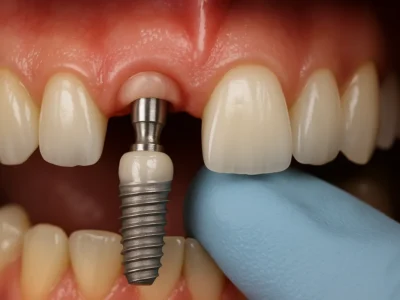
Suitability is the first question specialists address because not every missing tooth should be replaced in the same way. A dental implant is usually a small titanium fixture placed into the jawbone, where it acts like an artificial tooth root. For many adults, this can be an excellent option, but suitability depends on more than simply having a gap. Implant dentists assess gum health, bone volume, medical history, smoking habits, bite forces, and whether the surrounding teeth are stable. They also look at the reason the tooth was lost. If gum disease, untreated grinding, or repeated infection caused the original problem, those issues must be managed before an implant is likely to succeed over the long term.
Age is rarely the deciding factor once growth is complete. A healthy person in later life may be a better implant candidate than a younger adult with uncontrolled gum inflammation or heavy smoking habits. Conditions such as diabetes do not automatically rule treatment out, but they do affect planning and healing. Some patients need scans to confirm whether there is enough bone for secure placement, while others may need preliminary treatment, such as periodontal therapy, a bone graft, or extraction site healing before an implant can be considered. This is why a quick price-led consultation often tells patients too little.
Specialists also consider whether an implant is the best option rather than just a possible one. In some mouths, a bridge or carefully designed removable denture may still be the more proportionate treatment. That is especially true where bone support is very limited, hygiene access is poor, or the patient wants the least invasive solution. The strongest treatment plans are based on function first. A good clinician will explain not only whether an implant can be placed, but whether it should be placed in that specific position and at that specific time.
What does the treatment process involve from consultation to final tooth?
Many patients assume the implant is fitted and crowned in one visit, but the reality is usually more structured. The process starts with assessment, photographs, X-rays, and often a 3D scan. These steps help the clinician judge bone width and height, identify important structures such as nerves and sinus spaces, and decide the safest implant position. Once the plan is agreed, treatment may begin with removing a failing tooth, improving gum health, or allowing an extraction site to heal. In some cases, the implant can be placed at the same appointment as the extraction, but this depends on bone quality, infection levels, and how predictable the site looks.
The implant placement itself is commonly carried out under local anaesthetic, sometimes with sedation for anxious patients. After the implant is inserted, a healing phase follows. During this period, the implant bonds with the surrounding bone in a process called osseointegration. Healing times vary, but several months is common. Some patients wear a temporary replacement while this happens, especially when the missing tooth is visible at the front of the mouth. Others may be suitable for immediate temporary teeth, but this is decided case by case and only when stability and bite conditions allow it.
The final stage is restoring the implant with a crown, bridge, or denture attachment. This part is often underestimated, even though it has a major influence on appearance and comfort. The shape of the gum line, the position of the bite, and the material chosen for the visible tooth all affect the result. Specialists tend to emphasise that implants are not just about placement; they are also about the precision of the final restoration. The planning phase, surgical phase, and restorative phase all need to work together. A result that looks natural and functions well usually reflects good sequencing rather than speed.
Is the procedure painful, and what is recovery really like?
Fear of pain remains one of the main reasons patients postpone implant treatment. In reality, most specialists report that patients often find implant placement less uncomfortable than they expected. The area is numbed thoroughly before the procedure begins, so the main sensations during treatment are usually pressure and vibration rather than pain. If sedation is used, anxiety can be reduced further. What matters more than dramatic stories online is how the case is managed. A straightforward single implant in healthy bone can be relatively uneventful, while more complex grafting or multiple implants can involve a longer recovery period.
After the procedure, mild swelling, tenderness, and bruising are normal for a few days. Many people control this with standard pain relief, soft foods, and careful cleaning as instructed by the dentist. Recovery advice usually includes avoiding smoking, protecting the area from heavy chewing, and attending follow-up appointments to check healing. Patients are often surprised that discomfort peaks quite early and then settles rather than continuing for weeks. Where pain worsens instead of improving, or where swelling persists, the clinic needs to review the site promptly to rule out infection or another complication.
The emotional side of recovery matters as well. Patients with visible missing teeth may worry about going to work, speaking in meetings, or eating socially during healing. This is why temporary solutions are discussed in advance. A temporary bridge, denture, or provisional crown may help maintain confidence while the implant integrates. It is also important to understand that healing is not only about comfort. Even if the site feels fine, the bone still needs time to stabilise around the implant before the final tooth is attached. Specialists usually encourage patience at this stage because rushing the restoration can jeopardise a treatment that is otherwise progressing well.
How long do dental implants last, and what can make them fail?
Dental implants can last many years, but specialists are careful not to present them as maintenance-free or permanent in an absolute sense. Longevity depends on how well the implant integrates initially and how well it is looked after afterwards. The implant fixture may remain stable for a long period, yet the crown on top may eventually need repair or replacement in the same way other dental work can wear over time. Success therefore means more than the implant simply staying in the bone. It also means healthy surrounding gums, stable bone levels, manageable hygiene, and a bite that does not overload the restoration.
The most common threats to long-term success are gum disease, smoking, poor plaque control, and uncontrolled grinding or clenching. An implant cannot decay like a natural tooth, but the tissues around it can still become inflamed. If that inflammation is allowed to progress, bone can be lost around the implant in a condition often compared with advanced gum disease. This is one reason why specialist teams stress aftercare as much as surgery. Regular reviews and hygienist visits help identify problems before they become destructive. Patients sometimes focus intensely on the placement date and too little on the years that follow.
Failure can happen early or late. Early failure usually relates to healing, infection, or the implant not bonding successfully with bone. Late problems are more often linked to maintenance, bite forces, or neglect of the surrounding tissues. None of this means implants are unreliable. It means they perform best when they are treated as part of overall oral health rather than as a standalone purchase. The most durable results tend to be seen in patients who accept recall appointments, clean effectively around the implant, and return quickly if a crown feels loose, the gums bleed, or chewing starts to feel different.
How much do dental implants cost in London, and what am I paying for?
Cost is often the point at which interest becomes serious. In London, implant fees vary widely, and that can be confusing unless patients understand what is included. A quoted figure may refer only to the surgical implant, or it may include consultation, scans, temporary teeth, the abutment, and the final crown. It may or may not include bone grafting, sinus work, sedation, review appointments, or long-term maintenance. For this reason, comparing one clinic’s headline fee against another’s can be misleading. The relevant question is not only the price of treatment but the scope of treatment being priced.
Specialists usually encourage patients to ask for a clear written breakdown. That breakdown should explain the diagnostic stage, the surgical stage, and the restorative stage separately. It should also set out possible additional costs if the mouth needs preparation first. A lower quote may look attractive until grafting, extraction, provisional work, or replacement components are added later. At the other end of the market, a higher fee may reflect more advanced digital planning, a more experienced multidisciplinary team, or laboratory work designed for demanding cosmetic cases. Price alone does not prove quality, but unexplained pricing should always be treated cautiously.
The wider financial question is value over time. A well-planned implant may preserve neighbouring teeth because it does not require them to be cut down for a bridge. It may also improve chewing confidence and reduce the instability associated with some removable dentures. That said, implants are not always the lowest-cost answer, especially where several teeth are missing and supporting bone is poor. A thoughtful consultation should help patients judge whether the investment fits their priorities, not whether implants are somehow universally superior. In practical terms, the best treatment is the one that the patient can maintain, understand, and feel comfortable committing to for the long term.
What should I ask at my consultation before choosing a clinic?
A strong consultation should leave the patient clearer, not more dazzled. One of the most useful questions is who is responsible for each stage of care. In some clinics, one dentist handles planning, surgery, and final restoration. In others, a surgeon and restorative dentist work together. Neither model is automatically better, but the patient should know who is making key decisions and who will review the work if problems arise. It is also sensible to ask what imaging is used, whether 3D scans are recommended, how temporary teeth are managed, and what alternatives exist if an implant turns out not to be ideal.
Patients should also ask about complications in a practical way. No reputable clinician promises a perfect record or suggests implants never fail. A more useful conversation is about how risk is reduced, what warning signs to watch for, and what support is available if healing is slower than expected. Questions about hygiene access, night guards for grinders, smoking advice, and review intervals often reveal how seriously a clinic takes long-term outcomes. Consent is stronger when it covers maintenance and limits as well as benefits. This is especially important in visible areas where cosmetic expectations may be high and gum shape can influence the result as much as the crown itself.
Finally, patients should pay attention to how clearly they are being informed. Good implant care is rarely built on pressure. It is built on explanation, planning, and realistic expectations about healing, upkeep, and appearance. In a city where choices are abundant, confidence should come from transparency rather than sales language. The best consultations do not simply answer whether an implant can be placed. They explain why a given approach suits that mouth, that patient, and that timeframe. When those answers are clear, decisions about treatment become much easier, and the implant journey tends to feel less like a leap and more like a structured clinical process.