 By Kalix Poul
As global travel rebounds, many popular destinations are experiencing record crowds. For travelers seeking authentic experiences, natural beauty, and cultural depth, lesser-known destinations offer unmatched rewards. These hidden gems provide the chance to explore without the noise, queues, and inflated prices of over-touristed hotspots.
Below are remarkable places that remain under the radar—yet leave lasting impressions.
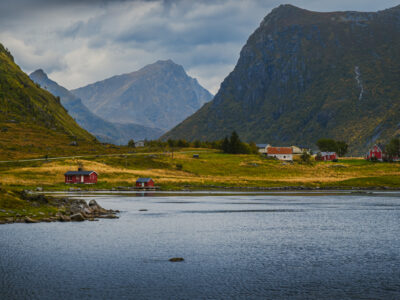
Faroe Islands
Tucked between Iceland and Norway, the Faroe Islands are a dramatic mix of cliffs, waterfalls, and mist-covered hills. This remote archipelago rewards slow travelers who appreciate raw landscapes and quiet moments.
Why it’s worth visiting:
- Untouched hiking trails with ocean views
- Traditional turf-roof houses and Nordic culture
- Minimal crowds even during peak seasons
The Faroe Islands are ideal for travelers who value solitude and nature over nightlife.
Matera
Matera is one of Europe’s oldest continuously inhabited cities, carved directly into limestone rock. Its ancient cave dwellings, known as Sassi, create a setting that feels timeless.
What makes Matera special:
- Unique cave hotels and restaurants
- Deep historical roots dating back thousands of years
- A slower pace compared to other Italian cities
Despite its beauty, Matera remains far less crowded than Rome or Florence.
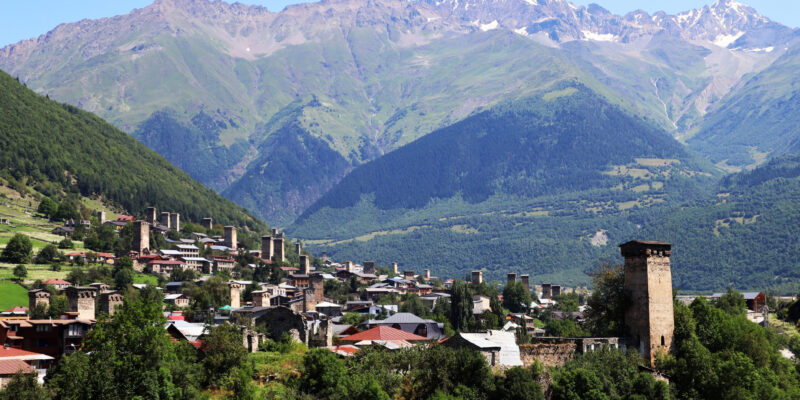
Svaneti
High in the Caucasus Mountains, Svaneti is a remote region famous for medieval stone towers and alpine scenery. Access can be challenging, but the reward is a glimpse into a preserved way of life.
Highlights include:
- UNESCO-listed mountain villages
- Epic trekking routes and glacier views
- Strong local traditions and hospitality
Svaneti is perfect for adventurous travelers seeking culture and wilderness combined.
Raja Ampat
Raja Ampat is a paradise for nature lovers, home to some of the richest marine biodiversity on Earth. Located off the coast of Indonesia, it remains largely untouched due to its remote location.
Why it stands out:
- World-class snorkeling and diving
- Crystal-clear waters and limestone islands
- Limited development preserves natural beauty
This destination appeals to travelers who value conservation and immersive nature experiences.
Valle de Cocora
Known for its towering wax palm trees, Valle de Cocora offers a surreal landscape found nowhere else in the world. Nestled in Colombia’s coffee region, it combines scenery with rich local culture.
What visitors enjoy:
- Scenic hiking trails through cloud forests
- Traditional coffee farms nearby
- A peaceful alternative to crowded South American landmarks
It’s a rewarding stop for travelers exploring Colombia beyond major cities.
Why Hidden Destinations Matter More Than Ever
Exploring lesser-known places supports local economies while reducing pressure on over-touristed regions. These destinations often deliver more meaningful interactions, deeper cultural understanding, and unforgettable experiences.
Choosing hidden gems allows travelers to:
- Avoid crowds and inflated costs
- Discover authentic traditions
- Travel more responsibly
In a world of mass tourism, these destinations remind us why travel feels magical in the first place.
Frequently Asked Questions (FAQs)
1. Are hidden travel destinations safe to visit?
Many are very safe, especially when travelers research local conditions and follow standard travel precautions.
2. How can I find accommodations in lesser-known places?
Boutique hotels, guesthouses, and local stays are often available through major booking platforms or local tourism sites.
3. Do hidden destinations cost less than popular ones?
Often yes, though remote locations may have higher transport costs offset by affordable lodging and food.
4. Is it difficult to reach off-the-beaten-path locations?
Some require extra planning or multiple connections, but improved infrastructure is making access easier each year.
5. When is the best time to visit lesser-known destinations?
Shoulder seasons are ideal, offering good weather with fewer visitors and lower prices.
6. How can travelers minimize their impact on fragile destinations?
Respect local customs, reduce waste, and support locally owned businesses whenever possible.
7. Are hidden destinations suitable for first-time international travelers?
Yes, provided travelers choose destinations with basic infrastructure and plan carefully in advance.