 By Kalix Poul
Sustainable fashion is no longer a niche movement driven by a small group of conscious consumers. It has become a defining force shaping how clothes are designed, produced, and worn. As environmental awareness grows and shoppers demand more accountability, several sustainable fashion trends have proven they are not temporary—they are here for the long run.
The Shift From Fast Fashion to Conscious Consumption
The fashion industry has long been associated with overproduction and waste. Today, that mindset is changing. Consumers are paying closer attention to how often they buy clothes and why.
Key changes in consumer behavior include:
- Choosing quality over quantity
- Investing in timeless pieces rather than seasonal trends
- Supporting brands that prioritize transparency
This shift toward conscious consumption is laying the foundation for a more responsible fashion ecosystem.
Sustainable Materials Taking Center Stage
One of the most visible trends in sustainable fashion is the rise of eco-friendly materials. Designers are moving away from resource-heavy fabrics and embracing alternatives that reduce environmental impact.
Popular sustainable materials include:
- Organic cotton that avoids harmful pesticides
- Recycled polyester made from plastic waste
- TENCEL™ and modal derived from responsibly sourced wood pulp
- Hemp and linen, known for low water usage
These materials are not just better for the planet; they also offer durability and comfort that modern consumers value.
Circular Fashion and the Rise of Reuse
Circular fashion focuses on keeping clothing in use for as long as possible. Instead of a “buy–wear–discard” model, the industry is embracing reuse and regeneration.
Circular fashion practices gaining momentum:
- Clothing resale and second-hand marketplaces
- Repair services and DIY mending culture
- Upcycling old garments into new designs
This trend encourages creativity while significantly reducing textile waste.
Ethical Production and Fair Labor Practices
Sustainability goes beyond materials—it also includes the people behind the clothes. Ethical production is becoming a non-negotiable standard rather than a marketing bonus.
What ethical fashion emphasizes:
- Fair wages and safe working conditions
- Smaller production runs to avoid overstock
- Local or regionally based manufacturing
Brands that prioritize ethics are building stronger trust with consumers who want their purchases to reflect their values.
Minimalism and Timeless Design
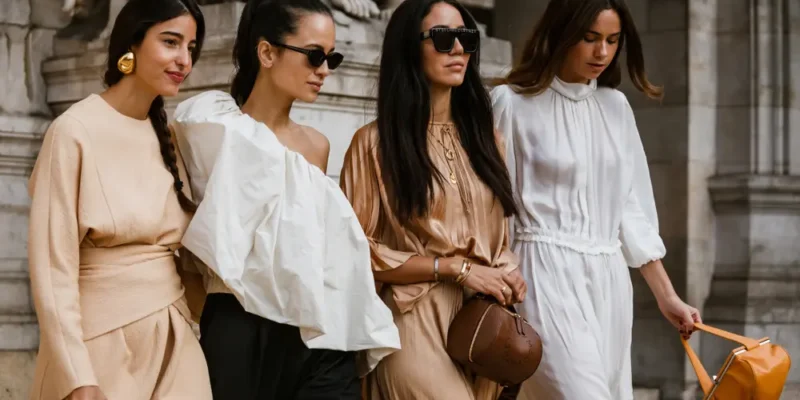
Minimalist fashion is closely tied to sustainability. Clean silhouettes, neutral tones, and versatile designs reduce the need for constant wardrobe updates.
Why minimalist design supports sustainability:
- Clothes remain stylish across multiple seasons
- Easier outfit combinations reduce overbuying
- Focus on craftsmanship increases garment lifespan
This trend supports a slower, more intentional approach to style.
Technology Driving Sustainable Innovation
Technology is accelerating sustainable fashion in ways that were not possible before. From digital design tools to advanced recycling techniques, innovation is reshaping the industry.
Notable technological advancements include:
- 3D design reducing fabric waste during prototyping
- Blockchain improving supply chain transparency
- Waterless dyeing and low-impact finishing processes
These innovations help brands scale sustainability without compromising creativity.
Transparency Becoming the New Standard
Modern consumers expect honesty. Brands are now sharing detailed information about sourcing, production, and environmental impact.
Transparency trends include:
- Clear labeling of materials and origins
- Public sustainability reports
- Measurable goals for emissions and waste reduction
This openness empowers consumers to make informed fashion choices.
Why Sustainable Fashion Is Here to Stay
Sustainable fashion is driven by long-term structural changes rather than short-lived trends. Environmental challenges, regulatory pressure, and shifting consumer values are aligning toward one outcome: a more responsible fashion industry.
The future of fashion favors brands and individuals who see clothing not as disposable, but as meaningful, lasting expressions of personal style and global responsibility.
Frequently Asked Questions
1. What is the main difference between sustainable fashion and fast fashion?
Sustainable fashion focuses on environmental responsibility, ethical labor, and long-lasting design, while fast fashion prioritizes speed and low cost, often at the expense of people and the planet.
2. Is sustainable fashion more expensive?
While upfront costs can be higher, sustainable clothing often lasts longer, making it more cost-effective over time.
3. How can I start building a sustainable wardrobe?
Begin by buying fewer items, choosing quality pieces, shopping second-hand, and supporting transparent brands.
4. Are recycled fabrics as durable as new materials?
Yes, many recycled fabrics meet or exceed the durability of traditional materials when produced using modern techniques.
5. Can sustainable fashion still be trendy?
Absolutely. Sustainable fashion blends timeless design with modern aesthetics, proving that style and responsibility can coexist.
6. How does sustainable fashion help the environment?
It reduces waste, lowers carbon emissions, conserves water, and minimizes the use of harmful chemicals.
7. What role do consumers play in sustainable fashion?
Consumers influence the industry through purchasing decisions, demand for transparency, and support for ethical practices.
If you’d like, I can also optimize this article for SEO, adapt it for a blog or magazine audience, or localize it for a specific market.