 By Kalix Poul
Owning and driving a car is more than just transportation. It requires awareness, responsibility, and knowledge to ensure safety, comfort, and cost-efficiency. This auto guide is designed to help both new and experienced drivers understand essential aspects of car ownership, from buying and maintenance to safe driving practices and dealing with emergencies. Whether you are a first-time car owner or someone looking to refresh your knowledge, this resource provides in-depth insights.
Choosing the Right Car
Selecting a vehicle is one of the most important decisions. It impacts your finances, comfort, and lifestyle. Consider these factors before making a purchase:
-
Budget: Include not only the purchase cost but also insurance, fuel, tax, and maintenance.
-
Purpose: Think about whether you need the car for commuting, long-distance travel, or family use.
-
Fuel Efficiency: With rising fuel costs, choosing an economical model can save significant money in the long run.
-
New vs. Used: New cars offer warranties and modern features, while used cars provide affordability but require thorough inspection.
Tips for Buying a Car
-
Research different models online and read expert reviews.
-
Always check the vehicle history when buying second-hand.
-
Test drive the car to evaluate comfort, handling, and visibility.
-
Consider future resale value when making your choice.
Understanding Car Insurance
Car insurance is not just a legal requirement in the UK; it provides financial protection in case of accidents, theft, or damage. The cost of insurance depends on multiple factors, including age, driving history, and the car model.
Types of Car Insurance
-
Third-Party Only: Covers damage to other vehicles and property but not your own car.
-
Third-Party, Fire and Theft: Includes protection against theft and fire damage in addition to third-party coverage.
-
Comprehensive Insurance: The most extensive option, covering you and others involved.
Ways to Reduce Insurance Costs
-
Opt for a higher voluntary excess.
-
Install security devices like immobilisers or tracking systems.
-
Build a no-claims discount over time.
-
Avoid unnecessary modifications that may increase premiums.
Essential Car Maintenance
Proper maintenance keeps your vehicle reliable, safe, and efficient. Neglecting routine care often leads to costly repairs later.
Basic Maintenance Checks
-
Tyres: Regularly check tread depth, pressure, and overall condition.
-
Engine Oil: Ensure it is at the correct level and changed at recommended intervals.
-
Brake Fluid and Coolant: Both are critical for safe operation.
-
Lights and Wipers: Replace bulbs and blades when they fail.
Annual MOT and Servicing
In the UK, cars over three years old require an MOT test to ensure roadworthiness. Regular servicing, although not mandatory, is recommended to prolong the car’s lifespan.
Driving Safely and Efficiently
Driving responsibly not only prevents accidents but also improves fuel efficiency and reduces wear on your vehicle.
Safe Driving Practices
-
Always keep a safe distance from the car in front.
-
Obey speed limits, especially in residential and school zones.
-
Avoid distractions such as using mobile phones while driving.
-
Adapt driving style to weather conditions, especially on wet or icy roads.
Fuel-Efficient Driving Tips
-
Drive smoothly and avoid harsh acceleration or braking.
-
Keep tyres properly inflated to reduce fuel consumption.
-
Remove unnecessary weight from the car.
-
Use higher gears when possible to lower engine strain.
Roadside Emergencies
Even well-maintained vehicles can break down. Being prepared for roadside emergencies ensures safety and reduces stress.
Must-Have Emergency Items
-
Warning triangle and high-visibility jacket.
-
First-aid kit and basic tools.
-
Torch and spare batteries.
-
Spare tyre or puncture repair kit.
What to Do in a Breakdown
-
Pull over safely and switch on hazard lights.
-
Use warning triangle to alert other drivers.
-
Call roadside assistance if you cannot fix the issue.
-
Remain outside the vehicle, especially on motorways.
Understanding Car Technology
Modern vehicles come with advanced features designed to improve safety, convenience, and efficiency.
Common Features
-
ABS (Anti-lock Braking System): Prevents wheels from locking during sudden braking.
-
Cruise Control: Maintains a set speed without pressing the accelerator.
-
Parking Sensors and Cameras: Assist in avoiding obstacles when reversing.
-
Lane Assist and Emergency Braking: Provide extra safety on motorways.
Importance of Staying Updated
Car technology is evolving rapidly. Learning how to use these features properly ensures you get the most out of your car and stay safe on the road.
Legal Responsibilities of Car Owners
Car ownership in the UK comes with legal obligations. Ignoring them can lead to penalties, fines, or even disqualification from driving.
-
Keep your car insured and taxed.
-
Ensure the MOT certificate is valid.
-
Update the DVLA when you change address or sell the car.
-
Follow parking rules and speed regulations.
Environmental Considerations
With climate change concerns, eco-friendly driving and car choices are becoming essential.
-
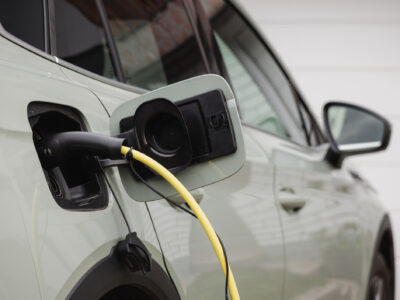
Consider hybrid or electric vehicles to reduce carbon emissions.
-
Share rides or use public transport when possible.
-
Dispose of old tyres, oils, and batteries responsibly.
-
Drive smoothly to lower emissions and fuel consumption.
FAQs About Car Ownership
Do I need insurance if I don’t drive my car regularly?
Yes, unless you declare your car as off-road (SORN), it must be insured at all times.
What is the difference between service and MOT?
An MOT is a legal test of roadworthiness, while a service is a routine check recommended by manufacturers to maintain performance.
How often should I change my tyres?
Tyres should be replaced when tread depth reaches 1.6mm, though replacing them earlier (around 3mm) is safer.
Can I repair a puncture myself?
Minor punctures can be fixed with a repair kit, but serious damage requires professional help.
Is it worth buying an extended warranty?
It depends on the age and reliability of your car. For newer vehicles, it can provide peace of mind, while for older cars, it may not be cost-effective.
How do I reduce depreciation on my car?
Keep it serviced, avoid unnecessary modifications, and choose popular models with high resale demand.