 By Kalix Poul
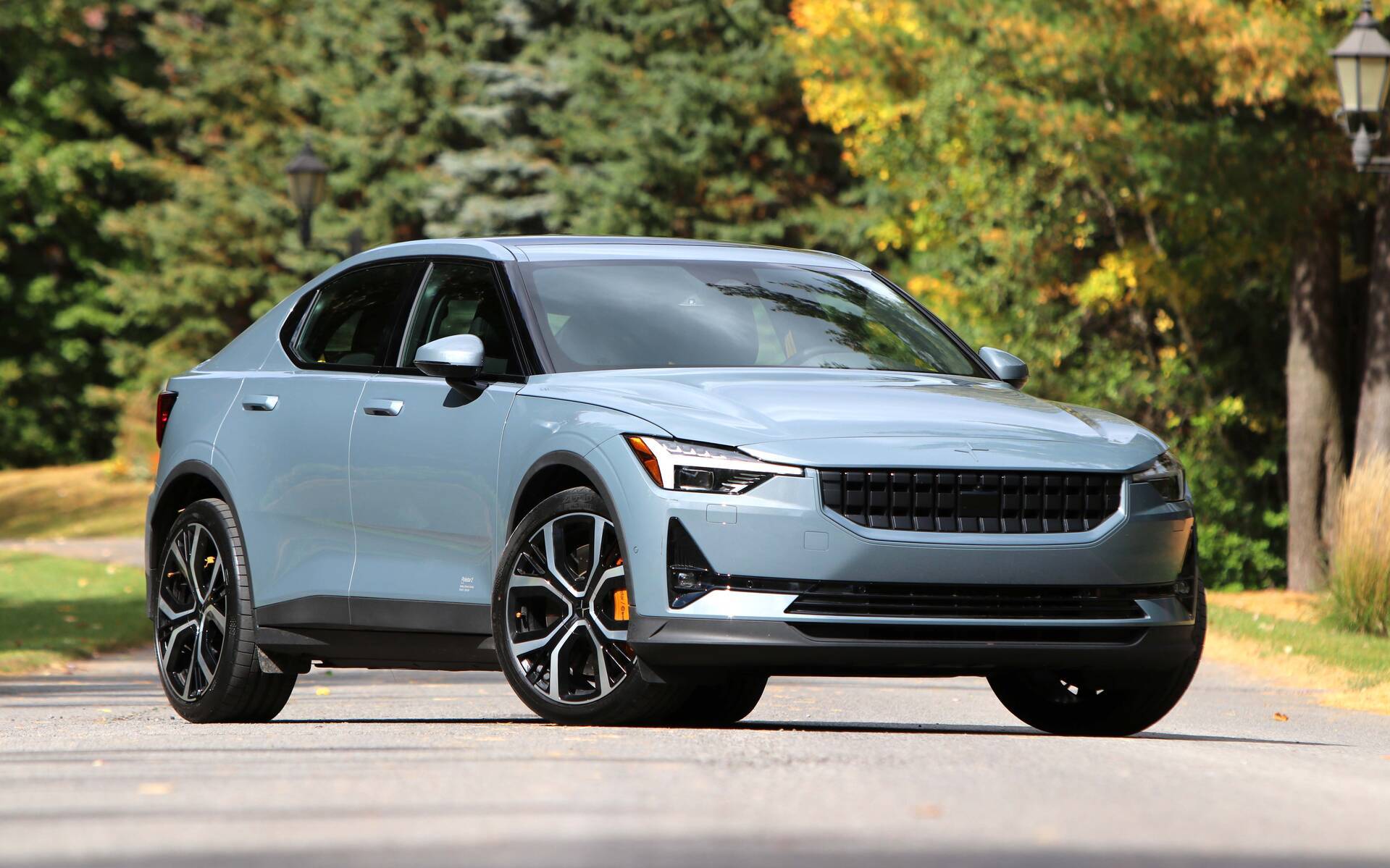
The global auto industry is undergoing one of its most profound transformations in over a century. Electric vehicles (EVs)—once viewed as niche alternatives—are now redefining how cars are designed, built, sold, and powered. This shift is not only technological but also economic, environmental, and geopolitical, influencing markets across continents.
The Rapid Rise of Electric Vehicles
Over the past decade, EV adoption has accelerated at a pace few industries have witnessed. Falling battery costs, stricter emissions regulations, and changing consumer attitudes have converged to push electric mobility into the mainstream.
Key drivers behind this growth include:
- Government incentives and mandates encouraging zero-emission vehicles
- Advances in battery technology that improve range and reduce costs
- Urban air-quality concerns pushing cities toward cleaner transport
Automakers that once relied solely on internal combustion engines are now investing billions to electrify their fleets, reshaping competitive dynamics worldwide.
How Automakers Are Rethinking Strategy
Traditional manufacturers and new entrants alike are being forced to adapt. Companies such as Tesla have proven that EVs can be profitable and desirable, while brands like Volkswagen and Toyota are restructuring long-term strategies to stay relevant.
This strategic reset includes:
- Shifting R&D budgets from engines to software and batteries
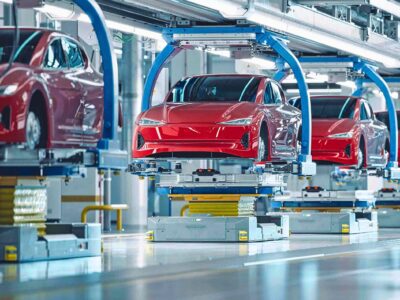
- Building dedicated EV platforms instead of adapting old designs
- Forming global partnerships for battery supply and charging networks
As a result, competition is no longer just about horsepower, but about range, software, and user experience.
The Changing Global Supply Chain
Electric vehicles are transforming automotive supply chains from the ground up. Batteries—rather than engines—have become the most critical component, increasing demand for lithium, cobalt, and nickel.
This shift has led to:
- New mining investments and geopolitical considerations
- Localization of battery manufacturing to reduce dependency risks
- Increased focus on battery recycling and second-life applications
Countries that secure battery supply chains are gaining a strategic advantage in the global auto market.
Consumer Behavior Is Evolving
Buyers today are evaluating vehicles differently than in the past. Instead of focusing solely on fuel efficiency or engine performance, many consumers prioritize total cost of ownership, environmental impact, and digital features.
Electric vehicles appeal to these priorities by offering:
- Lower running and maintenance costs
- Quiet, smooth driving experiences
- Seamless integration with smartphones and smart homes
As awareness grows, EVs are increasingly viewed not as compromises, but as upgrades.
Charging Infrastructure: A Market Catalyst
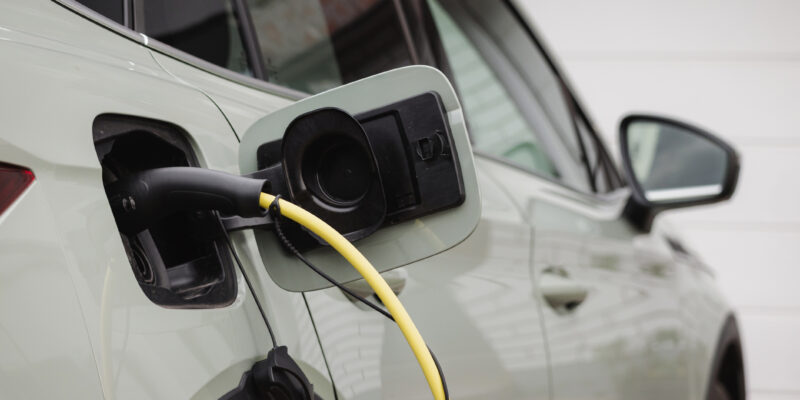
A strong charging ecosystem is essential for EV adoption. Governments and private players are rapidly expanding charging networks across highways, cities, and residential areas.
Notable developments include:
- Ultra-fast chargers reducing long-distance travel anxiety
- Workplace and home charging becoming standard amenities
- Smart grids balancing energy demand from millions of vehicles
This infrastructure growth is reinforcing consumer confidence and accelerating market expansion.
Economic and Environmental Impact
The EV revolution is influencing economies far beyond car sales. Entire job markets are shifting, with declining demand for engine components and rising demand for software engineers, battery specialists, and power electronics experts.
Environmentally, widespread EV adoption contributes to:
- Reduced greenhouse gas emissions (especially when paired with renewables)
- Lower urban noise pollution
- Improved public health outcomes in dense cities
These benefits are strengthening political and public support for electrification.
What the Future of the Auto Market Looks Like
Electric vehicles are no longer a trend—they are the foundation of the auto industry’s future. As technology matures and costs continue to fall, EVs are expected to dominate new car sales in many regions within the next two decades.
The global auto market is shifting toward:
- Electrification-first product strategies
- Software-defined vehicles with continuous updates
- Mobility ecosystems that extend beyond car ownership
Manufacturers that embrace this change early are positioning themselves as leaders in the next automotive era.
Frequently Asked Questions (FAQs)
1. Are electric vehicles really cheaper in the long run than gasoline cars?
Yes. While upfront costs can be higher, lower fuel and maintenance expenses often make EVs more economical over time.
2. How long do EV batteries typically last?
Most modern EV batteries are designed to last 8–15 years, with manufacturers offering long-term warranties.
3. Will EVs overload national power grids?
With smart charging and grid upgrades, most countries can manage increased demand without major disruption.
4. Are electric vehicles suitable for cold or hot climates?
Yes. While extreme temperatures can affect range, modern thermal management systems significantly reduce this impact.
5. What happens to old EV batteries after they degrade?
They can be reused for energy storage or recycled to recover valuable materials.
6. How are developing countries affected by the EV transition?
They face challenges in infrastructure and cost, but also opportunities to leapfrog directly into cleaner mobility.
7. Will internal combustion engine cars disappear completely?
Not immediately, but their market share is expected to decline steadily as EV adoption grows worldwide.